



Are you running out of ideas for all those winter veggies? Find storage tips and dozens of delicious Root Vegetable Recipes, for carrots, kohlrabi, beets, and more!

This post contains affiliate links and I may earn a small commission when you click on the links at no additional cost to you. You can read my full disclaimer here.
Between the harvest season of late summer and fall, and the start of all things farming and gardening and growing in the spring, in New England and elsewhere there are several months of long, cold winter where we rely on long lasting root vegetables.
Carrots, beets, potatoes, kohlrabi, parsnips, and more! For anyone who supports their local farmers by subscribing to a wintertime CSA box, or shopping cold weather farmer's markets, you know all too well how quickly these root vegetables will pile up in the crisper, root cellar, or on the counter!
If you find you're running out of recipe ideas for these hearty veggies, or would just like to try something new, my round-up of Root Vegetables Recipes is just the ticket. Some of these are my own recipes, and the rest are from other talented recipe developers and bloggers who love their winter root vegetables, too.
In a nutshell... 🐿️
- What this is: A hand-picked collection of recipes and storage secrets for rugged winter root vegetables. Carrots, beets, kohlrabi... root veggies sustain us through long New England winters. These dishes turn those veggies into comforting, warming meals.
- You'll love this part: Frugal, abundant root vegetables can be transformed into truly special dishes full of flavor. Use up every last bit of your winter CSA box, or try a root vegetable for the very first time.
- How to use this collection: Scroll down to read about 9 different root vegetables, including the best way to store them. Then, choose a recipe to try!
Jump to:
- Eat your root vegetables!
- Did you know?
- 9 Root Vegetables and Recipes to Try This Winter
- Beets
- Yankee Red Flannel Hash
- Spiralized Beet Salad with Blood Oranges
- Beet Chocolate Cupcakes with Honey Cream Cheese Frosting
- Carrots
- Carrot Quiche with Cheddar
- Coconut Carrot Rice
- Carrot Ribbons with Shrimp
- Celeriac (Celery Root)
- Fennel Celery Root Salad
- Salmon Dill and Celeriac Fish Cakes
- Cream of Celeriac Soup
- Kohlrabi
- Kohlrabi Slaw
- Kohlrabi Schnitzel Burger
- Kale, Kohlrabi, and Mint Stiry Fry with Bacon and Fried Eggs
- Parsnip
- Roasted Parsnips with Thyme
- Potatoes
- Radishes
- Rutabagas
- Sweet Potatoes
- Winter Veggie Blends
- Root Vegetable FAQs
- 💬 Comments
Eat your root vegetables!

In the mid-winter, you may find that you're running out of ideas for all those winter root vegetables that are still abundant at the grocery store, farmer's markets, and community agriculture shares—or that are languishing in your root cellar or crisper drawer.
Perhaps you've never even tried some of these hardy vegetables! This was certainly the case with me when I first set out on a quest to learn more about the most common winter root veggies.
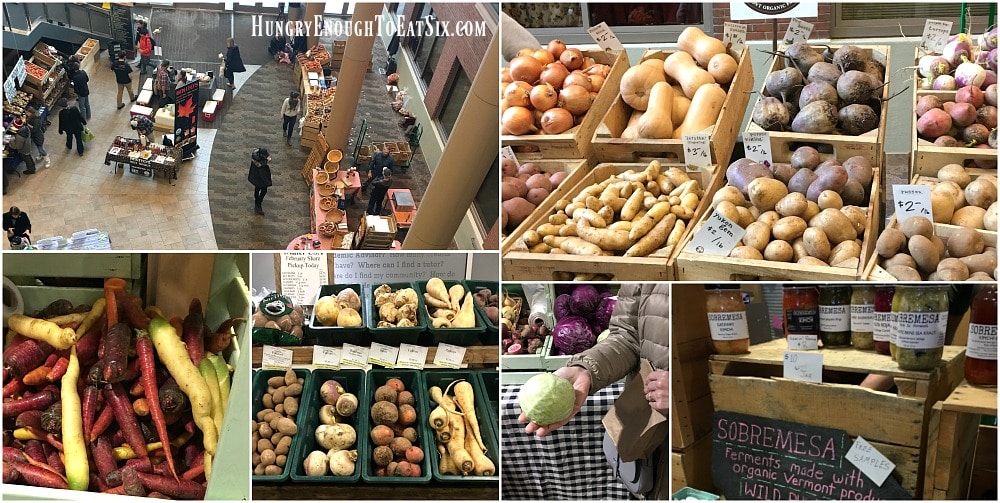
I trekked to my local winter farmer's market in Burlingon, Vermont to find the very best root vegetables from local farmers like Burnt Rock Farm, Bear Roots Farm, Lewis Creek Farm, and Full Moon Farm.
I lugged all these rugged, gnarly, dirt-splotched, and even colorful vegetables home, learned all about them, and cooked up a few new recipes to highlight their flavors and textures. And that's exactly what this collection is all about!
I'll give you information on how to store these vegetables, and then share not only my recipes but also recipes from other creative food bloggers and recipe developers.
The vegetables in this collection are beets, kohlrabi, sweet potatoes, parsnips, carrots, rutabagas, potatoes, celeriac, and radishes! And there are a variety of preparation methods, too.
- Root vegetables boiled or fried on the stovetop
- Oven-baked and roasted root vegetables
- Root vegetable soups
- Mashed root vegetables
- Raw root vegetables sliced, chopped, or grated into salads
The recipes I share for each are a great way to taste these vegetables for the first time, or find inspiration for root veggies you cook up every week.
Did you know?

I once shared these root vegetables and my recipes with Chief Meteorologist Amanda Thibault on the Local 22/44 Morning Brew show!
9 Root Vegetables and Recipes to Try This Winter
Bring these undersung winter veggies into the spotlight, before they're overshadowed by those showboating, spring vegetables. (Calm down asparagus, peas, and fiddleheads: it's not your turn yet!)
Beets
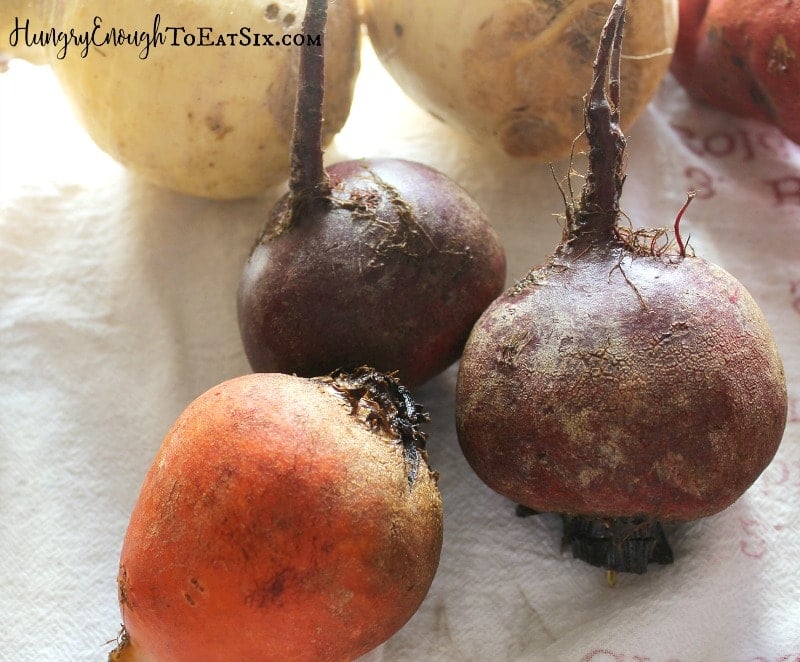
To store beets, remove the greens and store them in a plastic bag in the fridge for up to three weeks. Peel the skins from your beets before cooking them up. Then, use them in one of these yummy recipes:
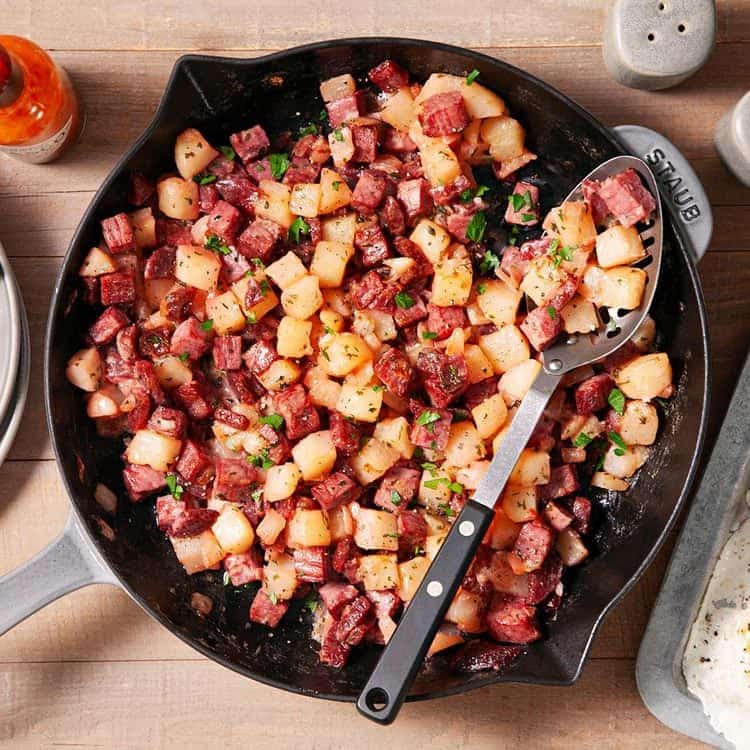
Yankee Red Flannel Hash
I recipe I created for Taste of Home!
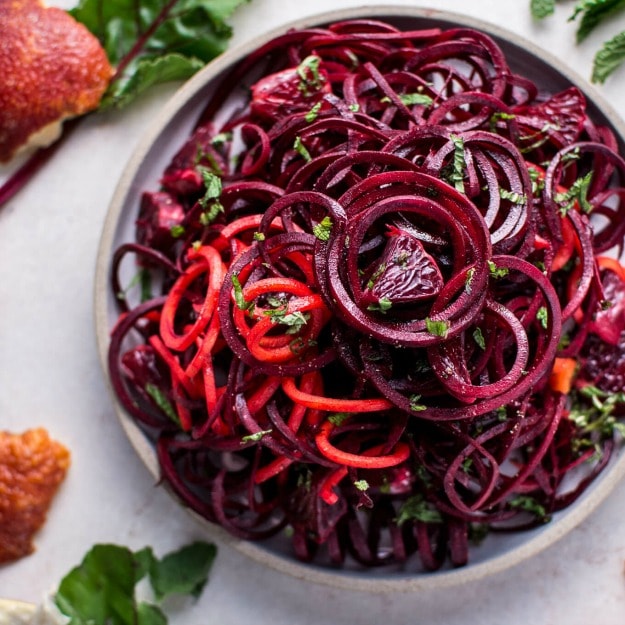
Spiralized Beet Salad with Blood Oranges
Recipe from Salt and Lavender

Beet Chocolate Cupcakes with Honey Cream Cheese Frosting
Recipe by Use Your Noodle
SAVE THIS RECIPE OR POST!
Carrots
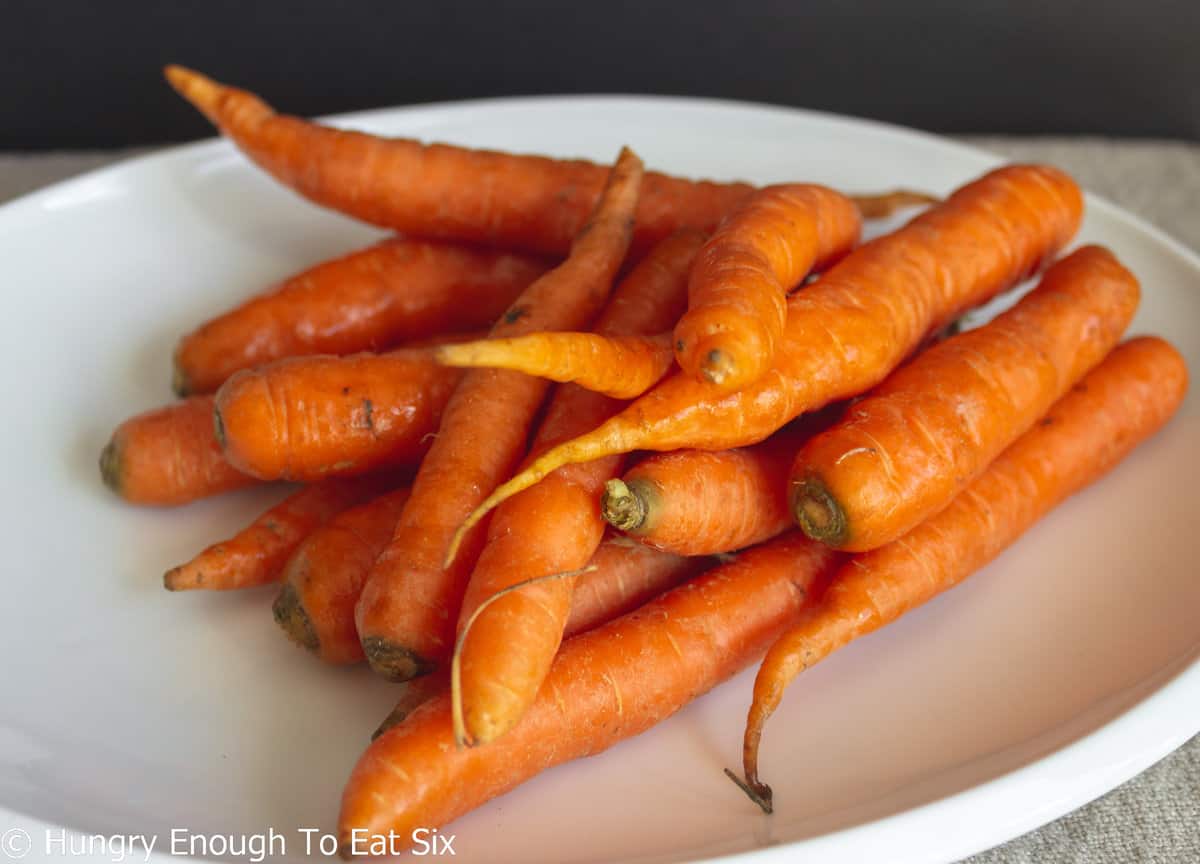
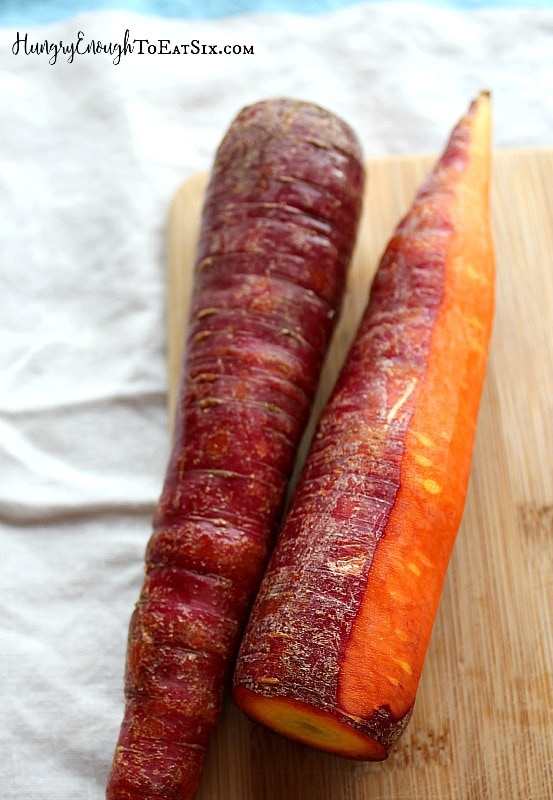
To store, remove the green tops and transfer carrots to food storage back or container, tightly sealed. Store them in the fridge for two to three weeks. Carrots can be enjoyed raw or cooked. Here are three delicious carrot recipe ideas!

Carrot Quiche with Cheddar
A Hungry Enough To Eat Six recipe!
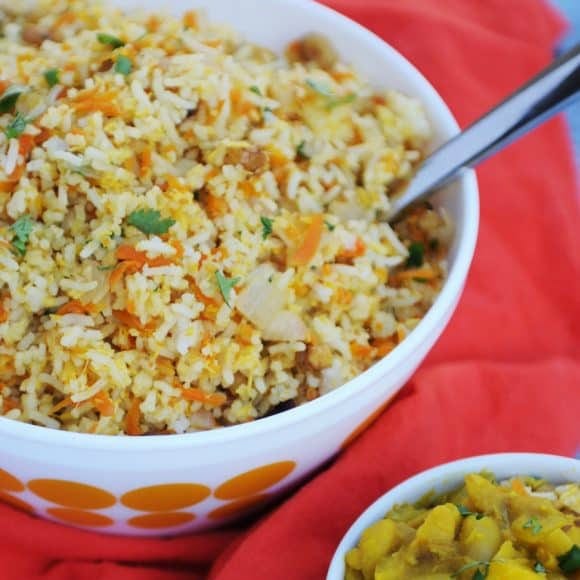
Coconut Carrot Rice
Recipe from Fried Dandelions
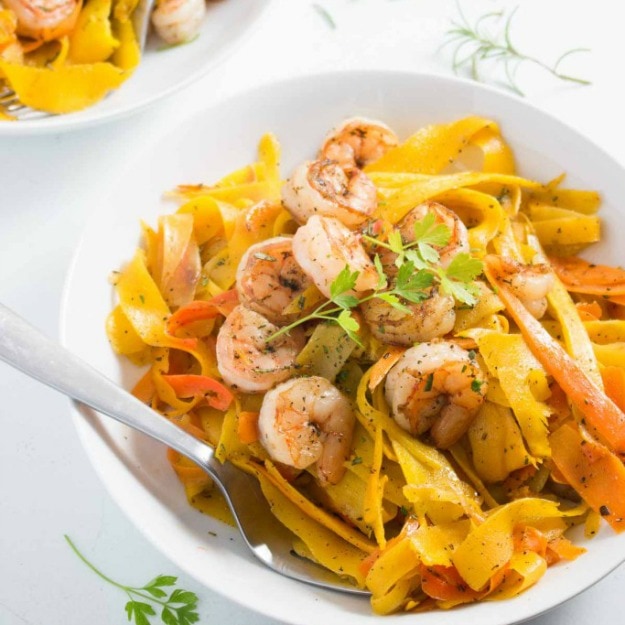
Carrot Ribbons with Shrimp
Recipe from Pinch Me I'm Eating
Celeriac (Celery Root)
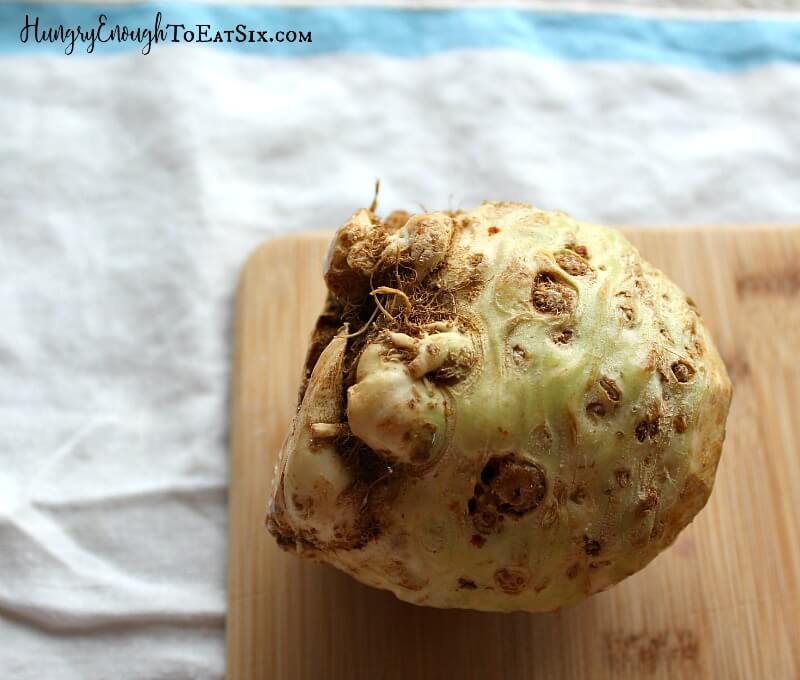
To store, keep celeriac in a plastic bag stored in the fridge for one week. Celeriac has a mild celery taste and can be eaten raw in salads or cooked in almost any way you can imagine. Here are some creative recipes where you can use it:
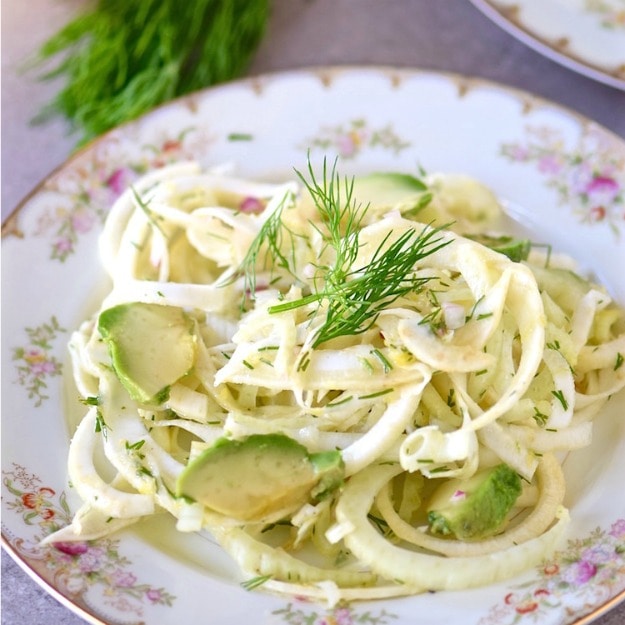
Fennel Celery Root Salad
Recipe from Tasting Page

Salmon Dill and Celeriac Fish Cakes
From Emma Eats and Explores

Cream of Celeriac Soup
Recipe from Krumpli
Kohlrabi
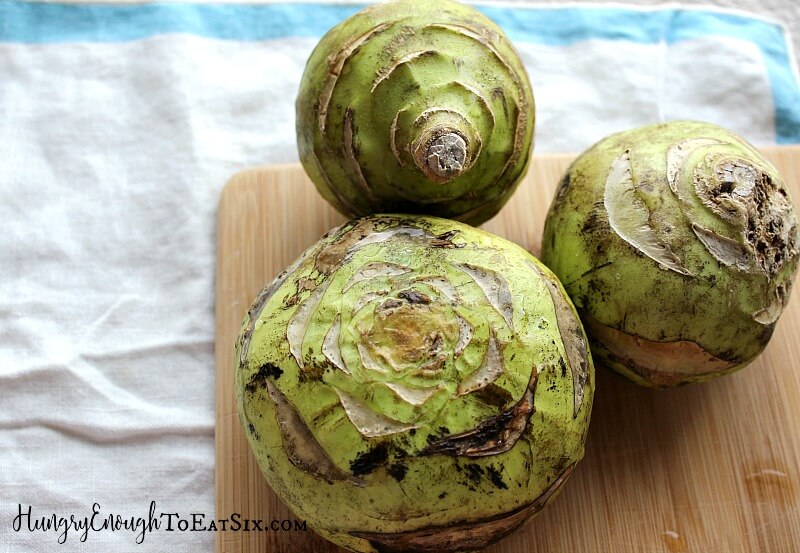
Keep whole kohlrabi wrapped in the fridge for a little over a week. Kohlrabi is part of the turnip family and can be eaten raw in salads or cooked in soups and stews. Here are some recipe ideas for cooked and raw kohlrabi:
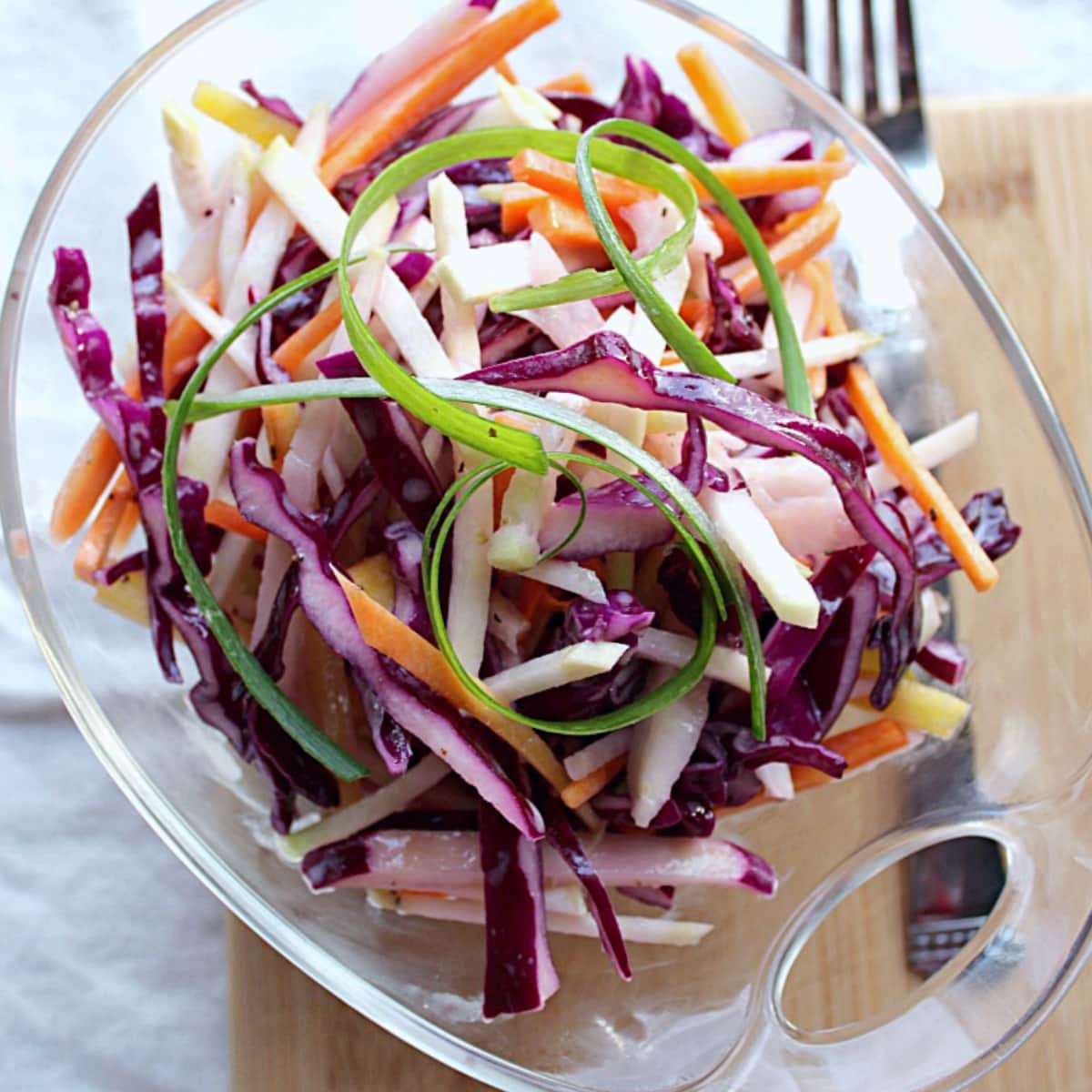
Kohlrabi Slaw
A Hungry Enough To Eat Six recipe!

Kohlrabi Schnitzel Burger
Recipe from Elephantastic Vegan
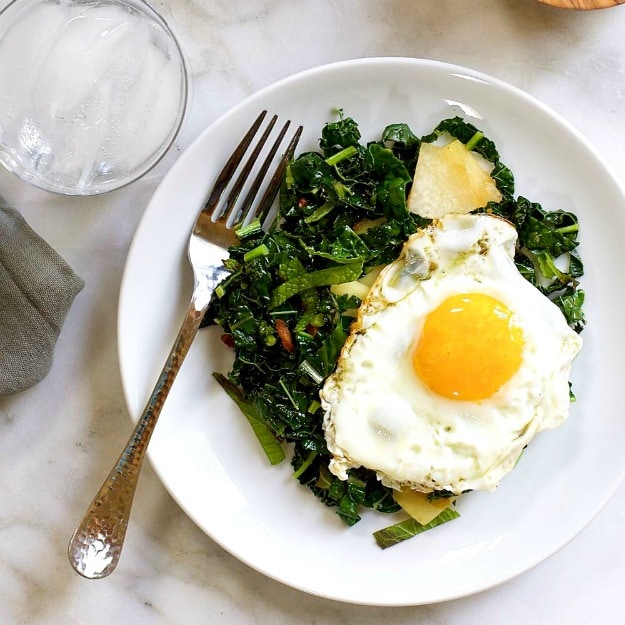
Kale, Kohlrabi, and Mint Stiry Fry with Bacon and Fried Eggs
Recipe from Pinch and Swirl
Parsnip
Transfer parsnips in a sealed plastic bag or container and store them in the fridge. They'll keep well for about two weeks. Parsnips can be baked, roasted, boiled, and mashed. Here are some fresh and cooked dishes featuring parsnips:

Parsnip Soup with Apple and Curry
A recipe from Hungry Enough To Eat Six!
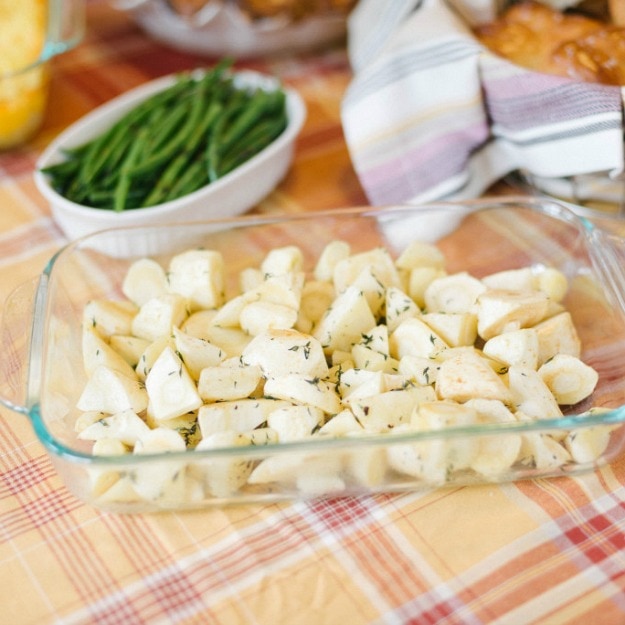
Roasted Parsnips with Thyme
Recipe from Food Above Gold
Potatoes
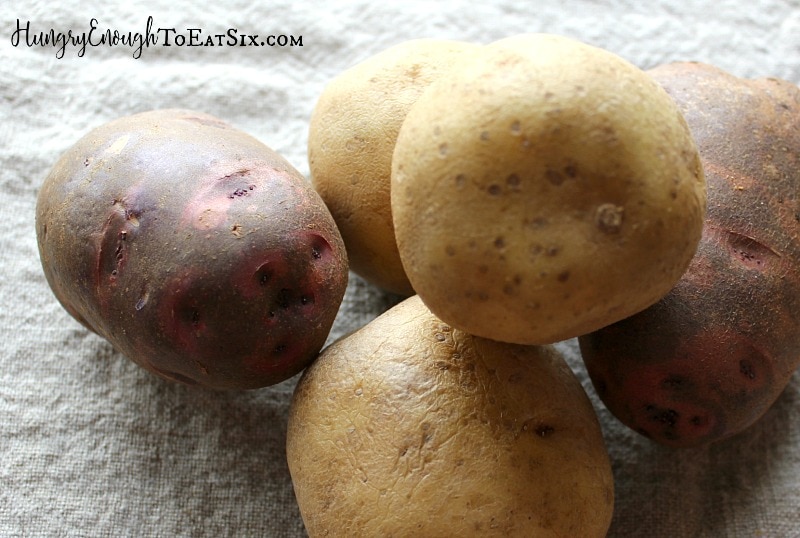
If your potatoes came in a plastic bag, discard the bag before storing them. Keep loose in a bin or in a paper bag, in a cool, dark location, ideally around 40°F. Potatoes are ridiculously versatile and cook up in every way you can imagine. Add these tasty potato dishes to your meals!
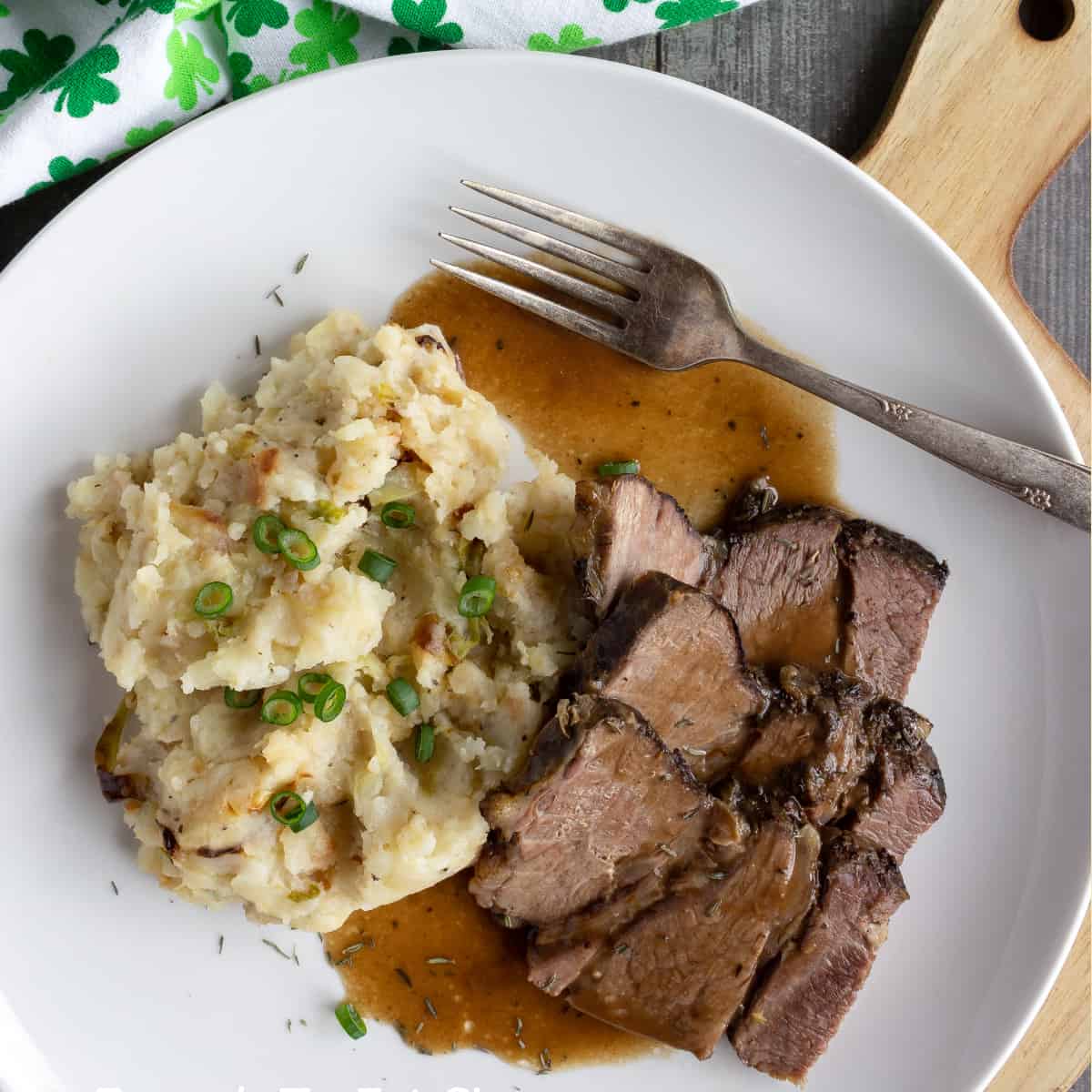
Colcannon and Slow Cooker Guinness Pot Roast
A recipe from Hungry Enough To Eat Six!
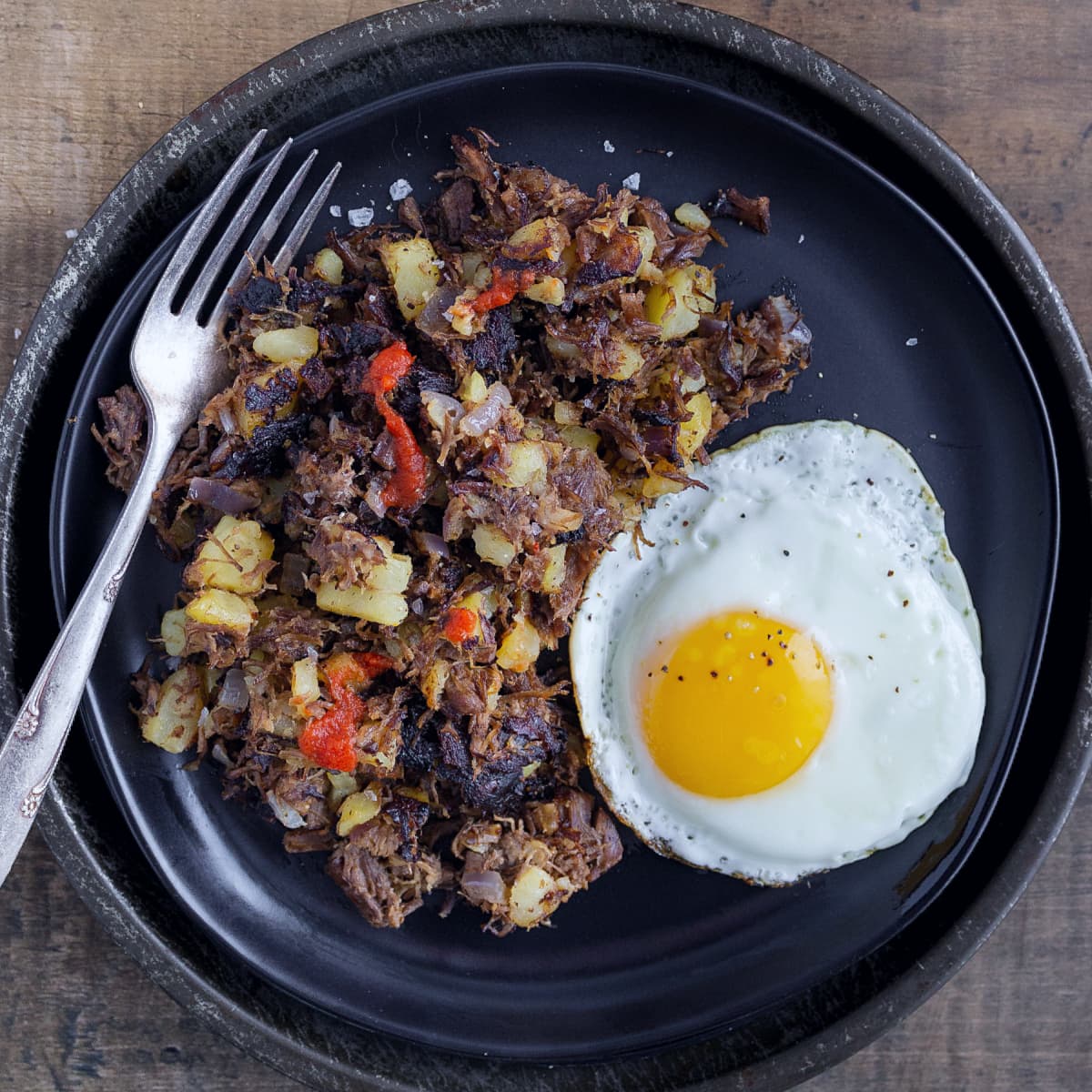
Who Hash (Roast beef and potato hash)
A recipe from Hungry Enough To Eat Six!

Irish Leek and Potato Soup
from Karen's Kitchen Stories
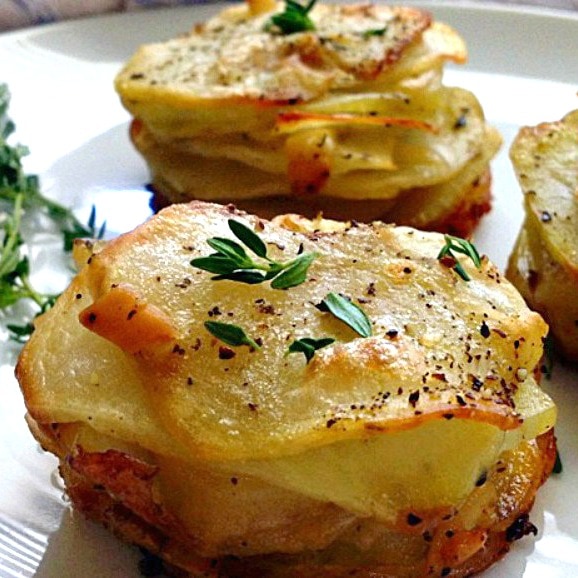
Smoked Gouda Muffin Tin Potato Stacks
from A Gouda Life
Radishes

Remove the greens and store radishes wrapped or in a covered container in the fridge for four to five days; place a paper towel in the bag or dish to absorb moisture. While they can be roasted or cooked, radishes have the best, sharpest flavor when enjoyed raw as part of appetizers or in a salad. Here are three lovely radish recipes for you:
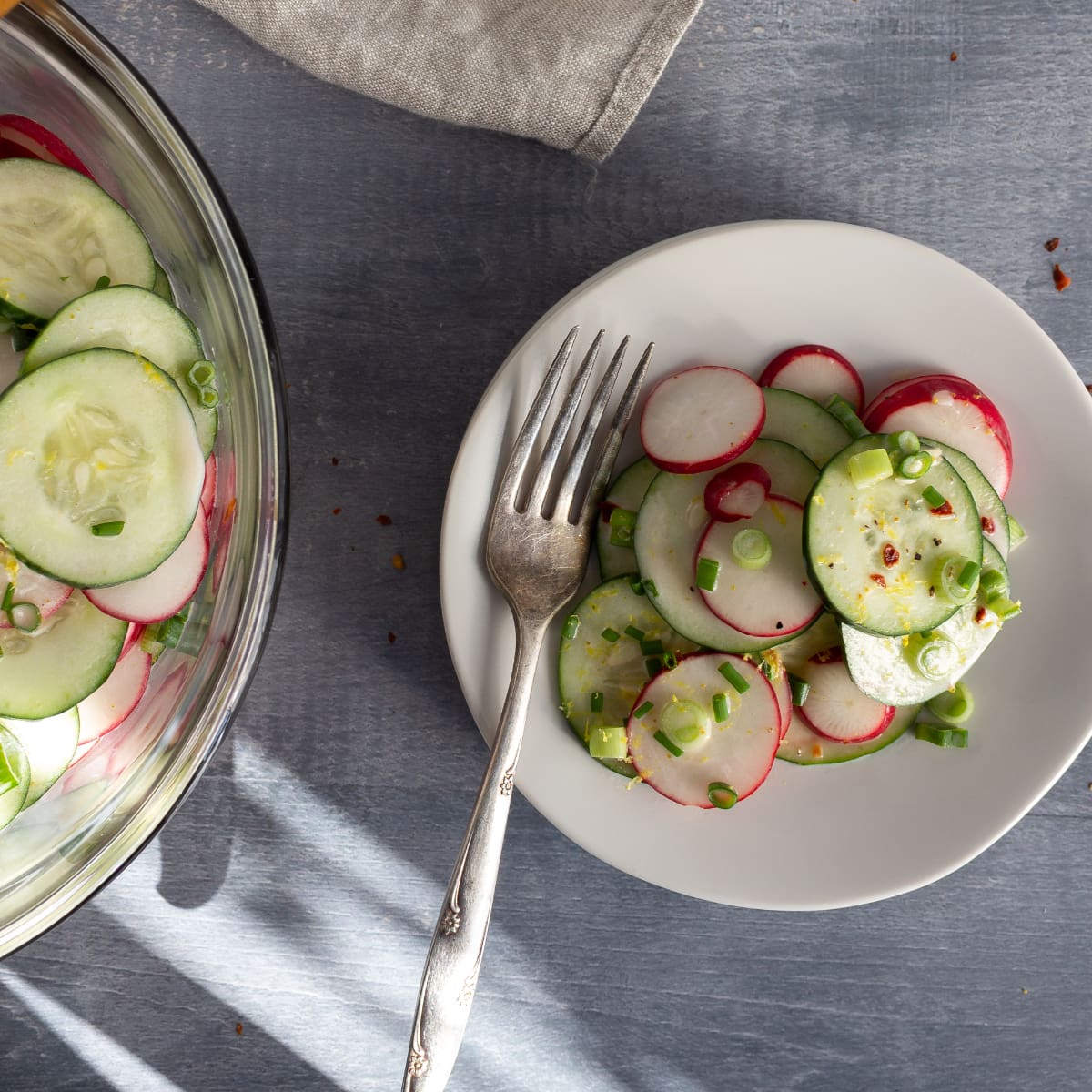
Cucumber Radish Salad
A recipe from Hungry Enough To Eat Six!
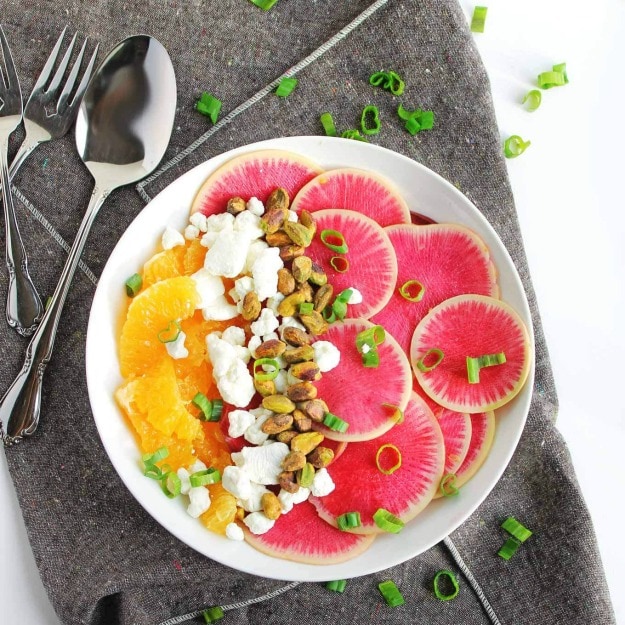
Watermelon Radish Orange Salad
from Rhubarbarians
Rutabagas
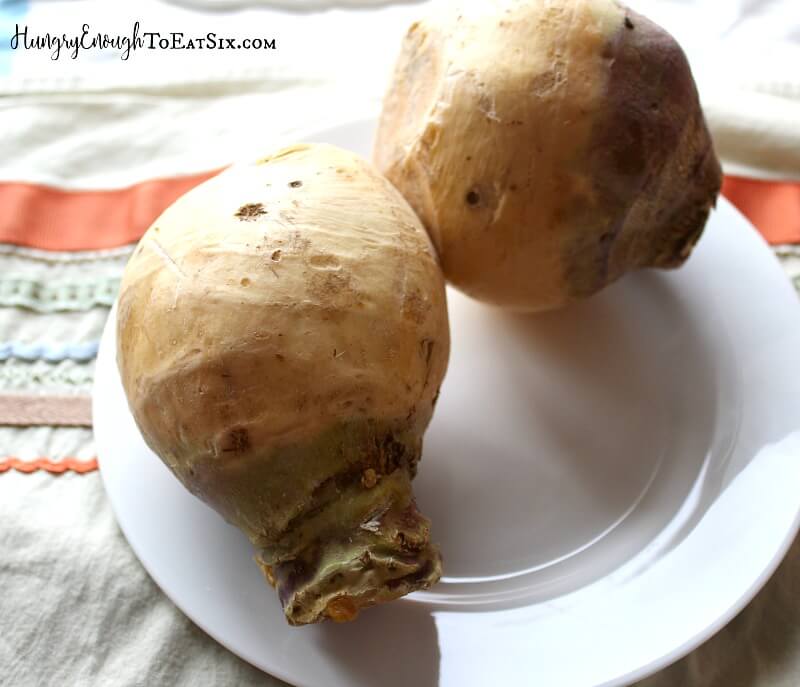
Keep rutabagas wrapped in the fridge for up to two weeks. Rutabagas are part of the cabbage family with a mild flavor and can be cooked up in many ways. And what to do with them? Well, here are some ideas!
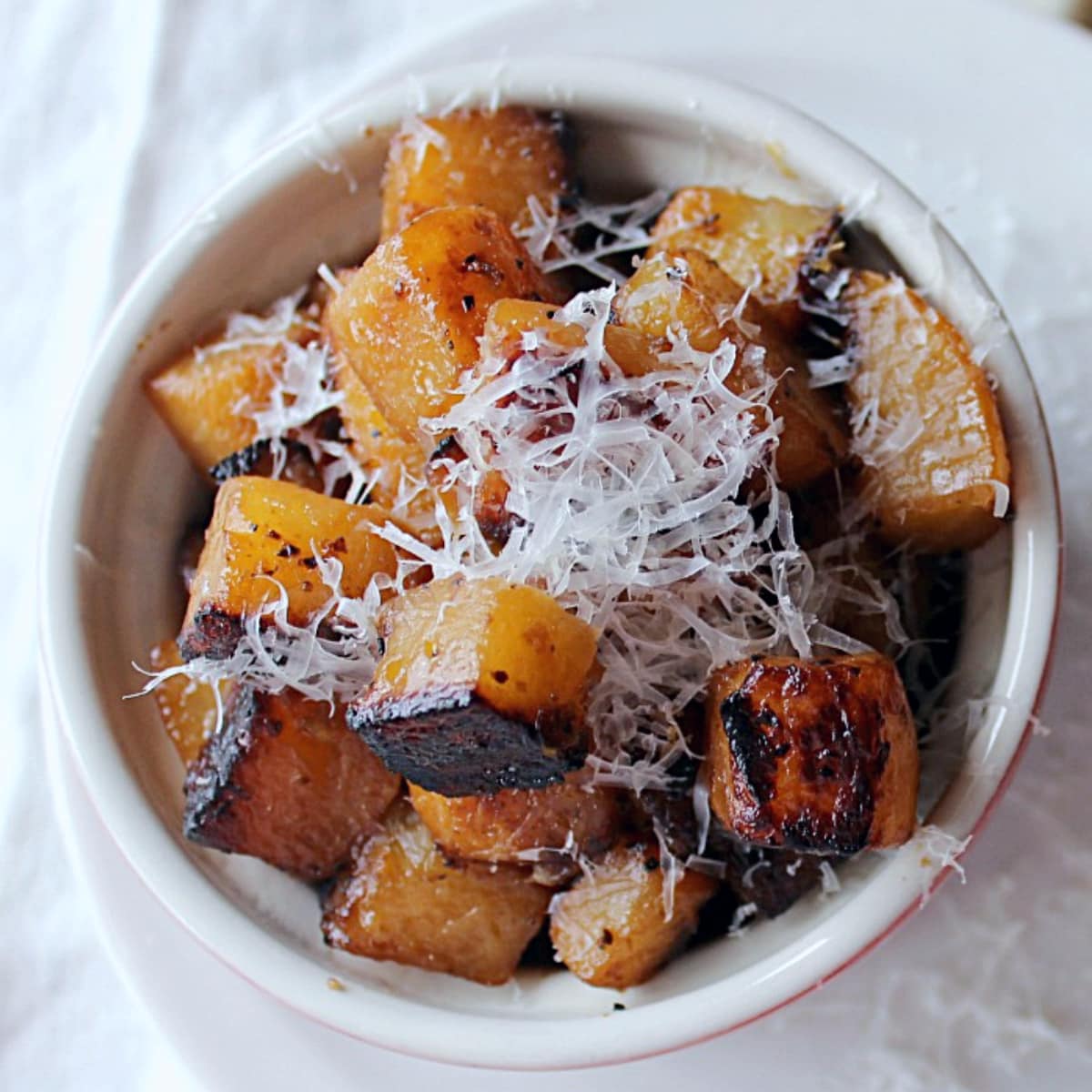
Rutabaga Home Fries
A recipe from Hungry Enough To Eat Six!
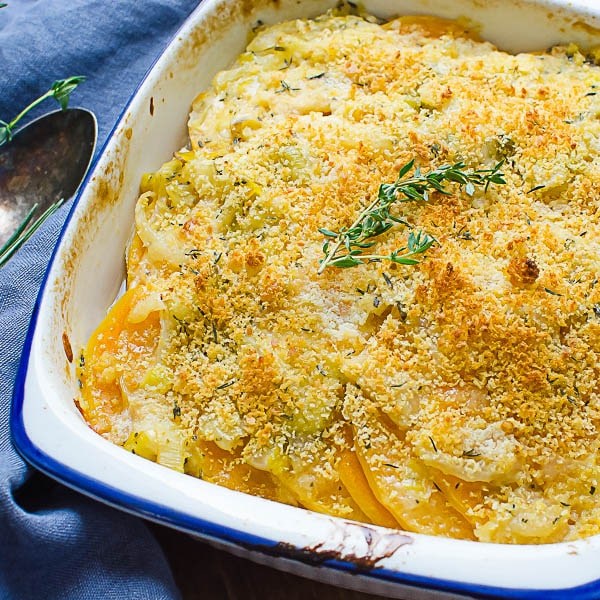
Butternut Rutabaga Gratin
from Garlic & Zest
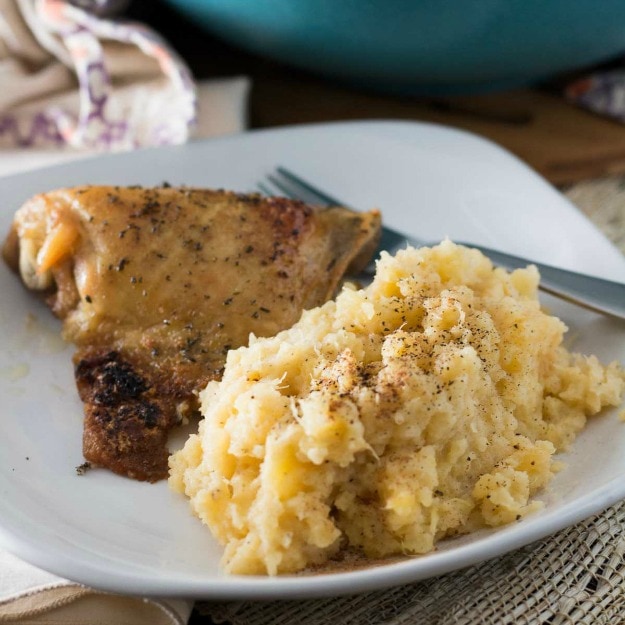
Mashed Rutabaga with Nutmeg
from Pinch Me I'm Eating
Sweet Potatoes
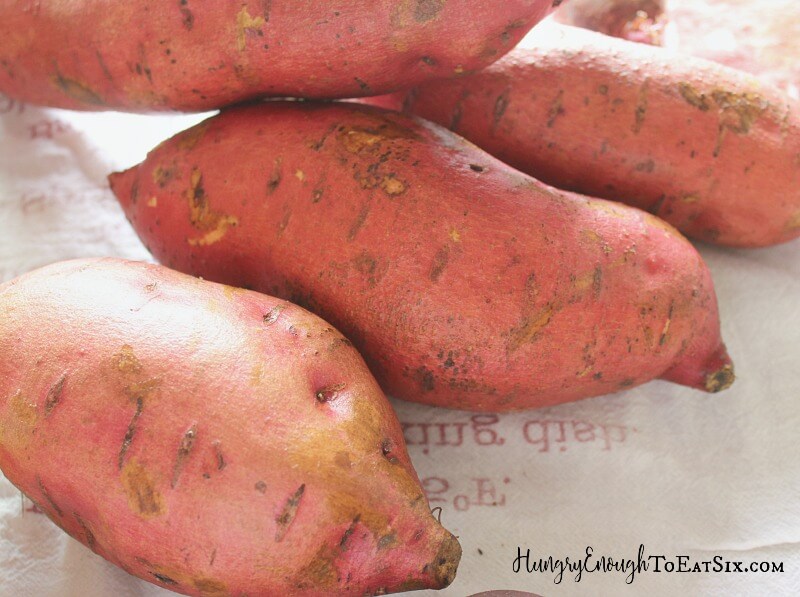
Store sweet potatoes like you do regular potatoes: in a cool, dry, and dark location, either loose or in a paper bag. (No plastic.) Sweet potatoes work with savory and sweet dishes; they can be baked, roasted, mashed, sautéed, and fried. Find savory and sweet ideas below:

Sweet Potato Pie
A recipe from Hungry Enough To Eat Six!

Sweet Potato and Chorizo Fritters
A recipe from Hungry Enough To Eat Six!

Cinnamon Sweet Potato Rolls
from Happy Kitchen Rocks

Sweet Potatoes with Coconut, Curry and Mint
from Healthy Seasonal Recipes

Harissa Sweet Potato Hash with Baked Eggs
from My Kitchen Love

Sweet Potato Rounds with Goat Cheese
from Ciao Florentina
Winter Veggie Blends
Make a rich and flavorful winter dish using a root vegetable medley! Here are a few recipe ideas.
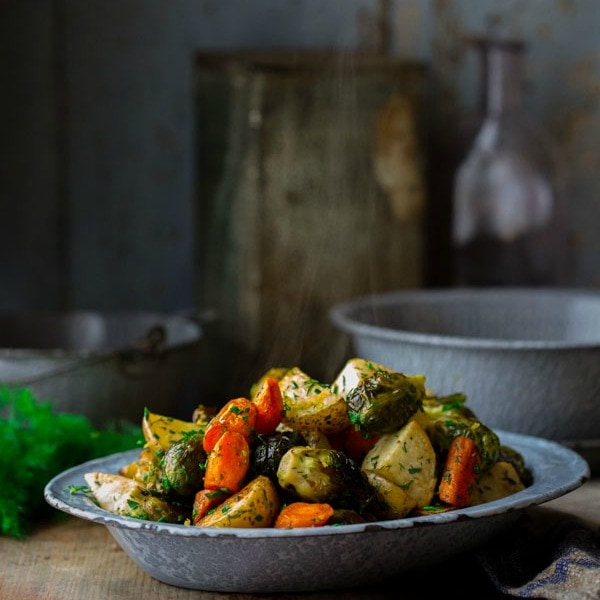
Roasted Root Vegetables with Spring Herbs
from Healthy Seasonal Recipes
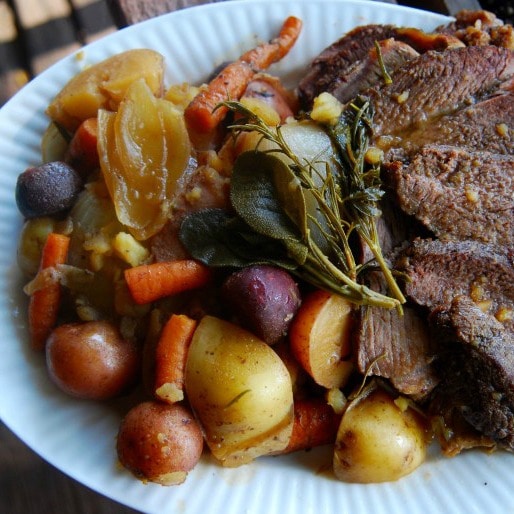
Oven Roasted Chuck Roast with Root Vegetables
from Longbourn Farm
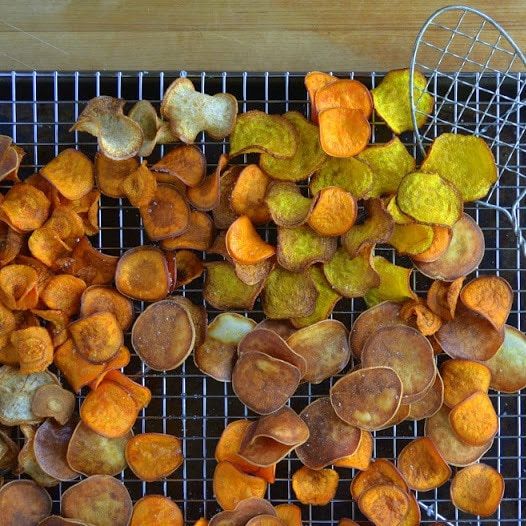
Root Veggie Kettle Chips
from The View From Great Island
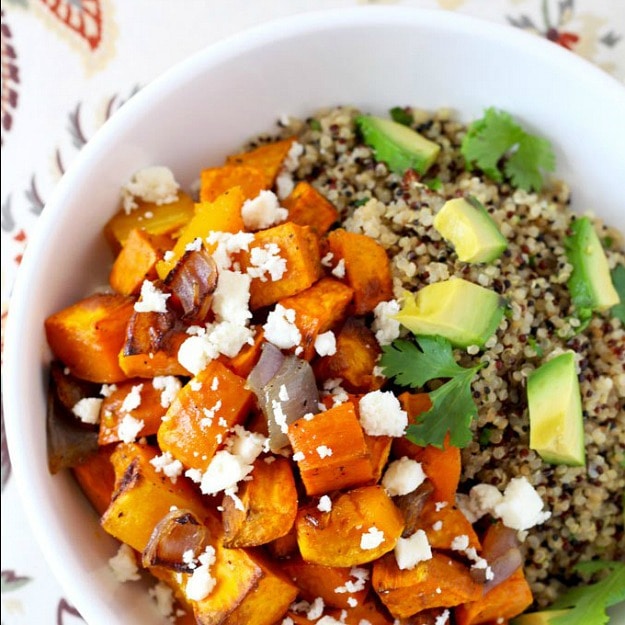
Mexican Buddha Bowl with Roasted Vegetables
from Lemon Blossoms
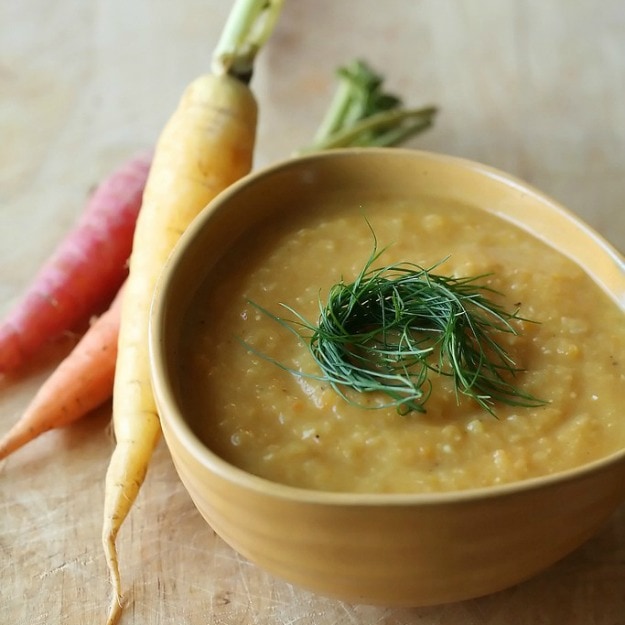
Walking On Sunshine Vegetable Lentil Soup
from Crumb
Root Vegetable FAQs
Though root vegetables are very hardy, they do eventually begin to rot, especially if they've been hanging around for awhile. Look over the root vegetables when you find them at the store or market. They should be firm, heavy for their size, and have no splits or large cracks in the surface. Avoid vegetables that have soft spots or slimy residue. If the vegetables are sold with leaves attached, the leaves should be green and fresh with minimal yellowing.
Root vegetables can be prepared and eaten in all kinds of ways. One of the most popular is to roast root vegetables, which crisps the edges, brings out their sweetness, and softens them. This article from Taste Of Home has roasting times for different veggies. Other options for root vegetables are to boil them, bake them in casseroles, or pressure cook them. Many root veggies like radishes, kolrabi, parsnips, and celeriac are also delicious and crunchy when eaten raw—sliced or grated into green salads or used as the base for slaws and other cold salads.
In general, root vegetables should be stored in a cool place away from light. Store potatoes and sweet potatoes in a cool (not freezing) cellar, porch, or cupboard. Place them in an open bin so air can circulate. Other root vegetables like carrots, radishes, rutabagas, and parsnips should be placed in a plastic bag to hold in moisture, and stored in the refrigerator.



Ayngelina Brogan says
Thanks so much for including us, now I have so many new ideas for what to make this month!
Nancy Mock says
Of course! Everyone's recipes look amazing!
Natasha @ Salt & Lavender says
Thanks for including my beet salad! What a great roundup!
Nancy Mock says
You're welcome, it is so beautiful!